
The LA Grind hit $100K in nine months with events and a $59 membership
Justin Gordon quit a venture firm job for newsletters. Nine months after launching the LA Grind, he has passed $100K in revenue, 70 paying members and a 250-person sponsored event.
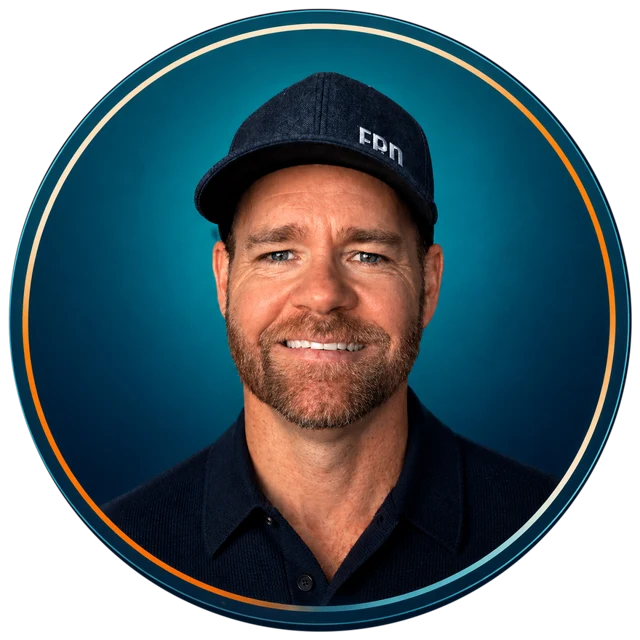 TJ LarkinHost, Local Media HQ PodcastFebruary 23, 2026 · 8 min read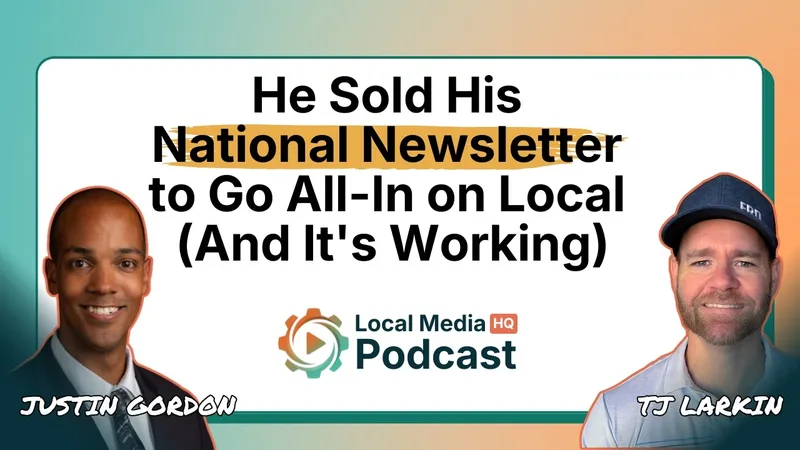
- Free events feed a paid membership. Meta ads fill the newsletter, free events build trust, and the LA Grind Club now has about 70 members at $59 a month.
- Sponsors take months to close. Justworks and Citizens Private Bank were conversations that ran for months, and one of them started a year before the LA Grind launched. Both paid when the big event finally came together.
- A sponsored event can run on tickets. A 250-person house party was paid for by sponsors, with 280 more people on the waitlist. Smaller deals start around $500 and the biggest run $5K or more.
- Selling the old newsletter bought focus. Justin sold his national newsletter through Acquire.com so he could put his time into LA and San Francisco.
Justin Gordon runs the LA Grind and the SF Grind, two local newsletters that bring startup founders, investors and operators together. This was his third time on the show, and I called him our most requested guest. Since the last episode he has passed $100K in revenue, hosted a 250-person event and watched his paid membership keep growing every month. We also got into the news he is thinking about adding, and why he sold his first newsletter.
The business is the events, and the newsletter feeds them
The LA Grind started in May 2025. At recording time it had more than 9,000 subscribers, and the SF Grind, launched in December, was close to 2,000. Justin says a big chunk of that growth came from Meta ads, mixed with organic.
The newsletter is the front door. The core idea from day one was to bring the startup communities in both cities together through events and media. In nine months he has hosted more than fifty events across the two cities.
Past $100K, and the funnel behind it
Justin has passed $100,000 in revenue since starting the LA Grind. It comes from newsletter sponsorships, event sponsorships and a membership in LA. He says that is not the full story on profit, though. He is bootstrapped, and he is still working out which pieces drive profit and which only look good.
The funnel is simple, and he can say it in one breath: ads to the newsletter, then free and paid events, then the membership. People enjoy the events, want access to more of them, and want to see the same people again. He launched the LA Grind Club on a whim in August or September, and it has grown every month since.
- 01Run ads to the newsletter
Meta ads bring in free subscribers across both cities.
- 02Host free and paid events
Promote each one in the newsletter and on social.
- 03Let people feel the room
Attendees see who else shows up and want more access.
- 04Offer the membership
He mentions it in every newsletter and at every event.
The 250-person event nobody planned
The biggest event started as a dinner for thirty or forty people. Long Angle, a private investment community, approached Justin through the newsletter. He is usually wary of partnerships because they eat time and are not always worth it. This one was.
It became 250 people before NBA All-Star weekend, in a nice house with a private chef, an open bar and curated artwork on the walls. More than 250 signed up and another 280 sat on the waitlist. Sponsors paid for all of it. Three sponsors were on this one, plus a drink partner and one more.
When you find an organization like that that's really good, you definitely find any way you can to partner with them.
Big sponsors move slowly, so start early
Closing them took patience. Justin was pushing for weeks and the sponsors only closed the week of the event. Justworks is a big company with big budgets, so he had been working on them for months before they said yes. This was the first event Citizens Private Bank sponsored, and he began talking with them about a year earlier, before the LA Grind even launched.
AE Studio is the repeat customer. As he runs more events, he has more formats to offer a sponsor and more ways to experiment. They trust him because he keeps bringing new people into the room.
The SF launch got a lift from the same relationships. Many LA sponsors have a San Francisco counterpart, so he could tell a company he was also doing SF and close from there.
What a sponsor gets, and what it costs
I asked what sponsors are really paying for. Justin says it changes with the event, but the package usually has the same parts:
- Access to the room. Some of his dinners are founders only, and sponsors get a minute or two to speak about their company.
- The guest list. Attendees sign up on Luma and answer questions he wrote for sponsors: founder, investor, operator or engineer, revenue range, bootstrapped or funded, and what they are building.
- Promotion. A mention in the newsletter and on social, and for bigger deals dedicated posts or a dedicated section of the newsletter.
His smallest sponsor was around $500, and the biggest was $5K or more. The larger deals get more touch points: the newsletter, LinkedIn and a track record of events. Because he posts so much, sponsors see the LA Grind constantly, and that history helps close them.
Inside the LA Grind Club
Membership is where he wants to put more focus, since it is recurring revenue and sponsorships are not. Members get events just for them, such as coffee meetups and a monthly poker night, and priority RSVPs to everything else. For the big event, members were guaranteed a spot while 280 people waited.
Many paid events are free for members. A mixer costs non-members around $30 to $40, and those ticket sales cover the whole cost of the event. He layers a sponsor on top and the event turns a profit.
He is not trying to build a digital community. There is a WhatsApp group, but the point is in person. He wants members to try everything from go-kart racing to coffee meetups, and he says the quality of who shows up is what sells it: VCs and founders in the same room. Retention numbers look strong to him, and he plans to raise the price from $59 to $79. LA is spread out, so he wants events in more parts of the city.
Why one weekly newsletter is not enough
The Monday edition already carries his own events, other events in the city, venture deals, jobs and fun things to do. There are too many links to fit. So he is weighing more editions, and he has a writer in South America who already helps with a bunch of things.
His ideas fall into three types:
- Profiles. Founders, investors and interesting people from the events. It is hard to replace with AI, because you have to talk to people. It also drives membership, since he can feature members.
- Deal flow. Who is raising and who is investing. He already has both on the list.
- Top news. Readers said yes when he polled them, but he has not built it.
He would pre-sell the sponsorship first and build only if the money is there. We agreed that is smarter than adding a day of work a week with nothing coming back.
Why he sold Just Go Grind
Justin started Just Go Grind at the end of 2022 and quit his venture firm job in 2023 to do it full-time. It grew to a little over 20,000 subscribers. Once the LA Grind launched, it was clear to him that was the thing he wanted to work on, and the old newsletter faded because he stopped writing deep dives for it.
A line in Felix Dennis's book How to Get Rich stuck with him: you can sell things you already have instead of closing them down. He teased the sale for months, a friend reached out, and he went through Acquire.com to compare prices. It closed this year and put a little capital back into the business.
I added that everyone online is talking about national, topic-based newsletters, and he had a good one. He found local and saw something bigger. Justin's own reason was focus.
Questions people ask
Who is Justin Gordon?
How did the LA Grind pass $100K in nine months?
What does the LA Grind Club cost and include?
Why did he sell Just Go Grind?
TJ is the founder of Local Media HQ. Every week he talks with local media operators about what is actually working in their towns.